


What It Is, Why It Matters, and Why It’s Back in the Spotlight
The Insurrection Act In America is one of the most powerful and controversial laws in the United States. Though it was written more than two centuries ago, the law continues to influence modern debates about presidential authority, civil unrest, and the use of military force within U.S. borders. As political tensions and public protests increase across the country, the Insurrection Act has once again become a subject of intense national discussion.
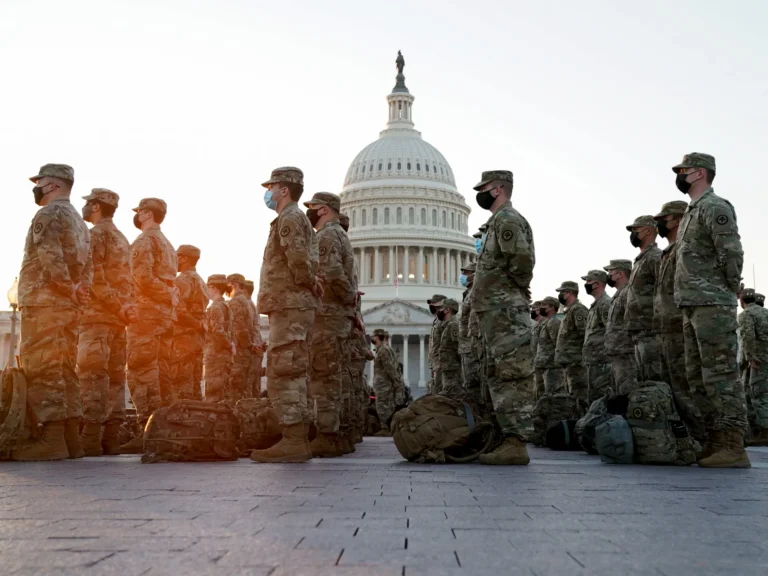
Under normal conditions, U.S. law limits the role of the military in domestic law enforcement. However, the Insurrection Act serves as a legal exception, permitting military involvement when the President determines that state-level responses have failed.

What Powers Does the Act Give the President?
The Insurrection Act grants the President the ability to:
Deploy active-duty military forces within the United States
Federalize state National Guard units without a governor’s consent
Suppress insurrections, rebellions, or domestic violence
Enforce federal laws and constitutional rights
These sweeping powers make the Insurrection Act one of the strongest emergency authorities available to the executive branch. Unlike many other federal laws, the act does not require prior approval from Congress before being invoked.

Historical use of the Insurrection Act
Throughout American History, the Insurrection Act has been used sparingly but decisively. One of the most notable instances occurred in 1957, when President Dwight D. Eisenhower sent federal troops to Little Rock, Arkansas, to enforce school desegregation and uphold civil rights.
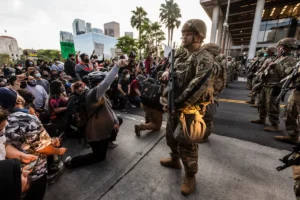
The act was also invoked during the civil rights movement of the 1960s to protect Black students and demonstrators facing violent opposition. In 1992, President George H. W. Bush used the law to restore order during the Los Angeles riots following the Rodney King verdict.
These cases show that the Insurrection Act has historically been used during moments of national crisis, often when local or state governments were overwhelmed.
Why the Insurrection Act Is Relevant Today
In Recent Years, the Insurrection Act in America has reentered public debate due to widespread protests, political polarization, and growing concerns about public safety. Although no recent president has formally invoked the act, discussions around its possible use have raised alarm among civil rights groups and legal experts.
Modern critics argue that today’s political climate makes the law more dangerous than in the past. With social media, rapid news cycles, and deep partisan divides, the deployment of military forces domestically could escalate tensions rather than calm them.
Controversy and Criticism
The Insurrection Act has long been criticized for its broad language and lack of clear limitations. Opponents argue that the law gives the President excessive power, with few safeguards to prevent misuse. Unlike other emergency powers, the Insurrection Act does not define strict conditions or time limits for military deployment
Civil liberties organizations warn that invoking the act could threaten freedom of speech, peaceful protest, and democratic norms. They also point out that the law allows military forces to perform civilian law enforcement roles, which raises serious constitutional concerns.
Supporters of the act, however, argue that it remains an essential tool for national stability. They claim that in extreme situations—such as violent uprisings or breakdowns in state authority—the federal government must have the ability to act quickly and decisively.
Calls for Reform
In response to this concerns, some U.S. lawmakers have proposed reforms to the Insurrection Act. Suggested changes include requiring congressional approval for extended military deployments, establishing clearer standards for invocation, and protecting peaceful demonstrations from military intervention.
Despite bipartisan discussions, no major reforms have been passed. As a result, the Insurrection Act remains largely unchanged since the early 19th century, continuing to rely heavily on presidential discretion.
Legal and Democratic Implications
Legal Scholars emphasize that the Insurrection Act exists at the intersection of national security and democracy. While it can be used to defend constitutional rights, it can also be seen as a threat to them if misused.
The challenge lies in balancing the need for order with the preservation of civil liberties. As America continues to face social unrest and political division, this balance becomes increasingly difficult to maintain.
Conclusion
The Insurrection Act in America is a powerful law with a long and complex history. Designed to protect the nation during moments of crisis, it grants the President extraordinary authority to use military force on U.S. soil. While it has played a role in enforcing civil rights and restoring order, it also raises serious concerns about executive overreach and democratic values.
As debates over governance, protest, and public safety continue, the Insurrection Act remains a critical—and controversial—part of America’s legal framework. Whether it is reformed or left unchanged, the law will continue to shape discussions about power, freedom, and the future of democracy in the “United States”.